Template-Based Image Generation APIs: How They Work and How to Choose One
How template-based image generation APIs work, what separates them from prompt-based tools, and the criteria that matter when choosing one.

In the landscape of digital advertising, Celtra has long been established as a market reference. As a pioneer in Creative Management Platforms (CMP), it has been widely adopted by global enterprises and is highly effective in its original scope.
However, within the last few years, a specific pattern has emerged among high-volume organizations. A significant number of enterprises are choosing to move away from their legacy CMP setups.
This shift is rarely a reflection of the platform failing to meet its technical specifications. In practice, organizations do not leave Celtra because it fails; they move away because their operational and economic needs have evolved beyond the scope of traditional Dynamic Creative Optimization (DCO).
Celtra is often selected when an organization's primary objective is display-centric DCO. For many years, the "creative problem" was largely a distribution problem: how to serve the right version of a digital banner to the right audience at the right time.
In this context, Celtra makes perfect sense. Its tight coupling with media-linked workflows and its ownership by media or ad ops teams allow for granular control over digital display campaigns.
For enterprises whose marketing output is primarily focused on the digital display ecosystem and media-rich variations, the platform remains a highly relevant solution.
The decision to evaluate alternatives typically occurs at a specific tipping point in an organization’s growth. This transition is observed when the "bottleneck" shifts from media distribution to creative production.
Organizations report that as the sheer volume of assets increases, often into the thousands per month, the requirements for formats multiply.
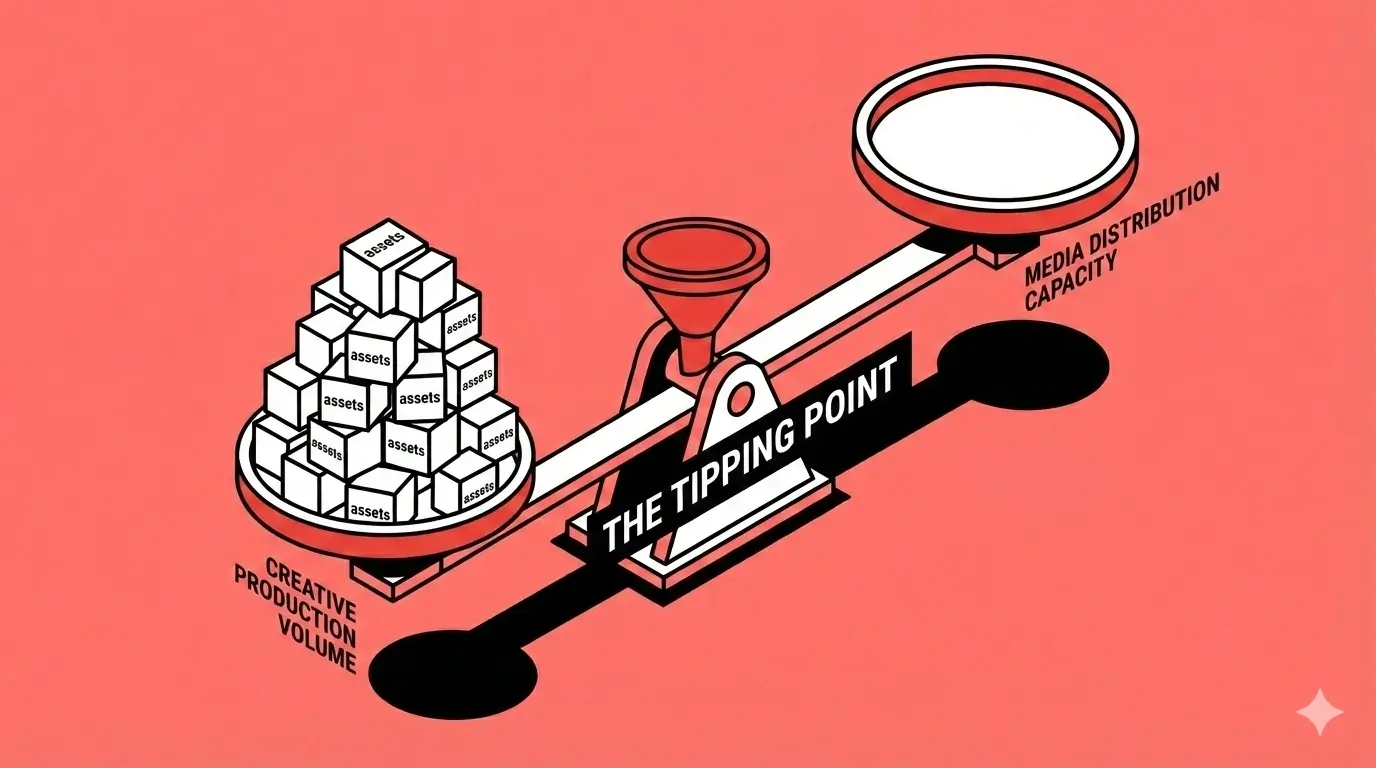
The modern creative stack now demands high-frequency output across social media, video reels, HTML5 variants, and even localized print or in-store collateral. When creative production, rather than media buying, becomes the central constraint, the existing governance and coordination models often grow increasingly complex.
Recognizing the need for a shift is only the first step. To ensure a successful transition, organizations must restructure their ownership and production logic.
As needs shift toward a broader production infrastructure, enterprises often identify several structural patterns that prompt a re-evaluation of their current stack:
One of the most significant indicators of this transition is an internal change in ownership. In the traditional CMP model, the platform is often managed by media teams or external media agencies.

In practice, as creative automation becomes a core operational layer, ownership frequently moves toward Creative Operations, Brand Ops, or dedicated Production teams.
This organizational shift reflects a move away from seeing "creative" as a subset of media buying and toward seeing it as a scalable, cross-departmental resource that serves every branch of the business, from product marketing to local retail teams.
When enterprises begin looking beyond a display-centric model, they typically prioritize a different set of architectural criteria. They look for systems that treat creative as a production challenge rather than a media one. Common requirements include:
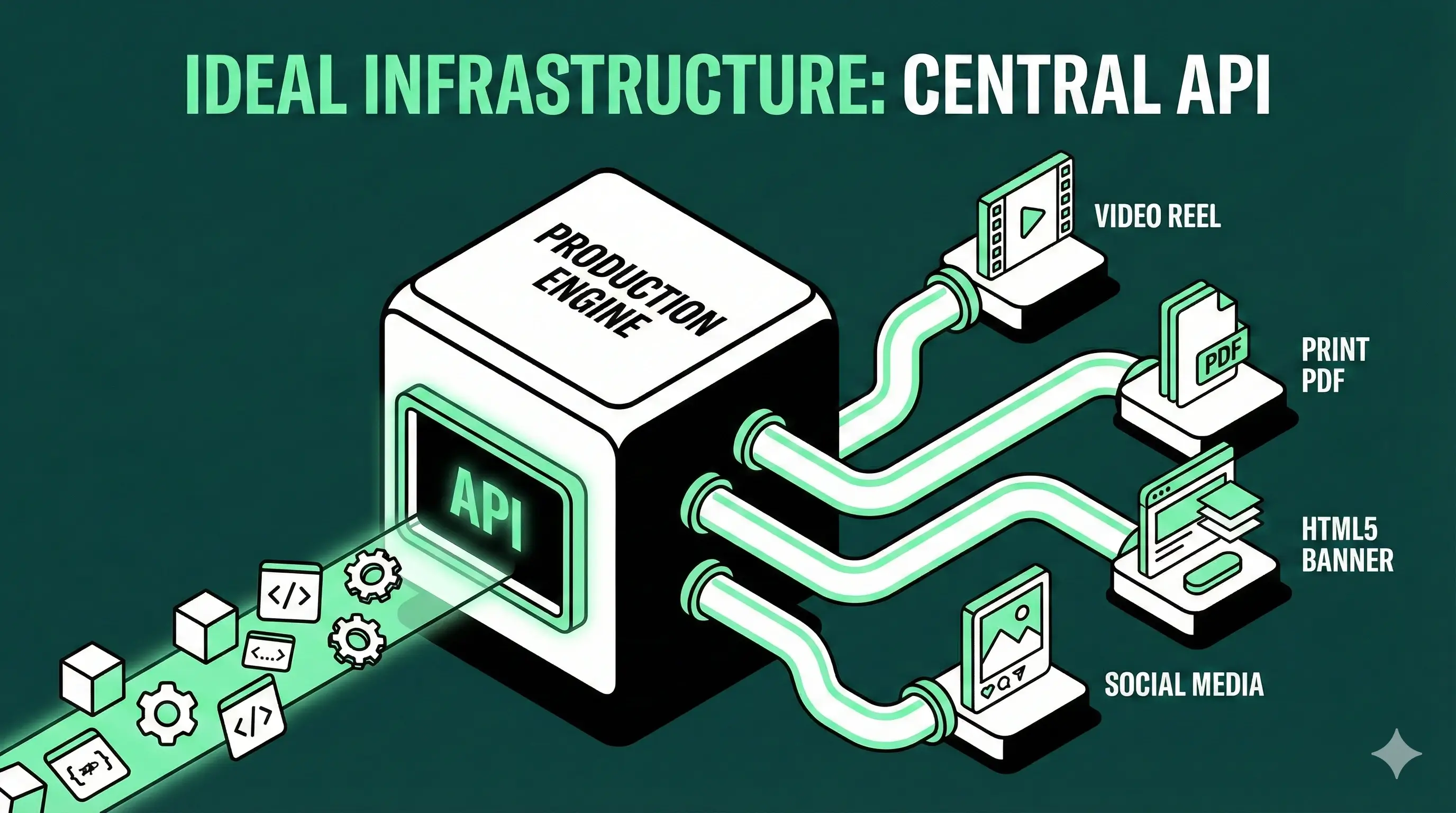
While several platforms offer these capabilities, systems like Abyssale are often cited as examples of this new category of production-centric platforms that enterprises adopt to solve these modern scaling challenges.
You can also read: Life After Celtra: How Teams Rebuild Creative Operations
Why do companies move away from Celtra?
Companies typically move away when their operational bottleneck is no longer display ad distribution, but the large-scale production of assets across multiple formats (social, video, print) that are not necessarily tied to a display ad network.
Is Celtra still relevant for enterprises?
Yes. For enterprises whose core focus remains high-end display DCO and media-linked display advertising, Celtra continues to be a standard reference. The shift only occurs when an organization's production needs outgrow that specific scope.
What usually replaces Celtra in large organizations?
Large organizations typically look for production-centric automation platforms. These systems emphasize API integrations, multi-format output, and predictable usage-based costs rather than media-linked publishing features.
Moving away from Celtra is not a rejection of the platform's historical value or technical capability. Instead, it reflects a maturation of the enterprise creative stack.
As creative production becomes a core operational layer within the modern business, the tools used to manage it must align with the broader goals of the organization: scalability, integration, and cost predictability.
The transition from media-centric platforms to production-centric systems is a natural progression when creative production, rather than media distribution, becomes the primary operational constraint.
Explore our guides and tutorials to unlock the full potential of Abyssale's spreadsheet feature for scaled content production.
.webp)